
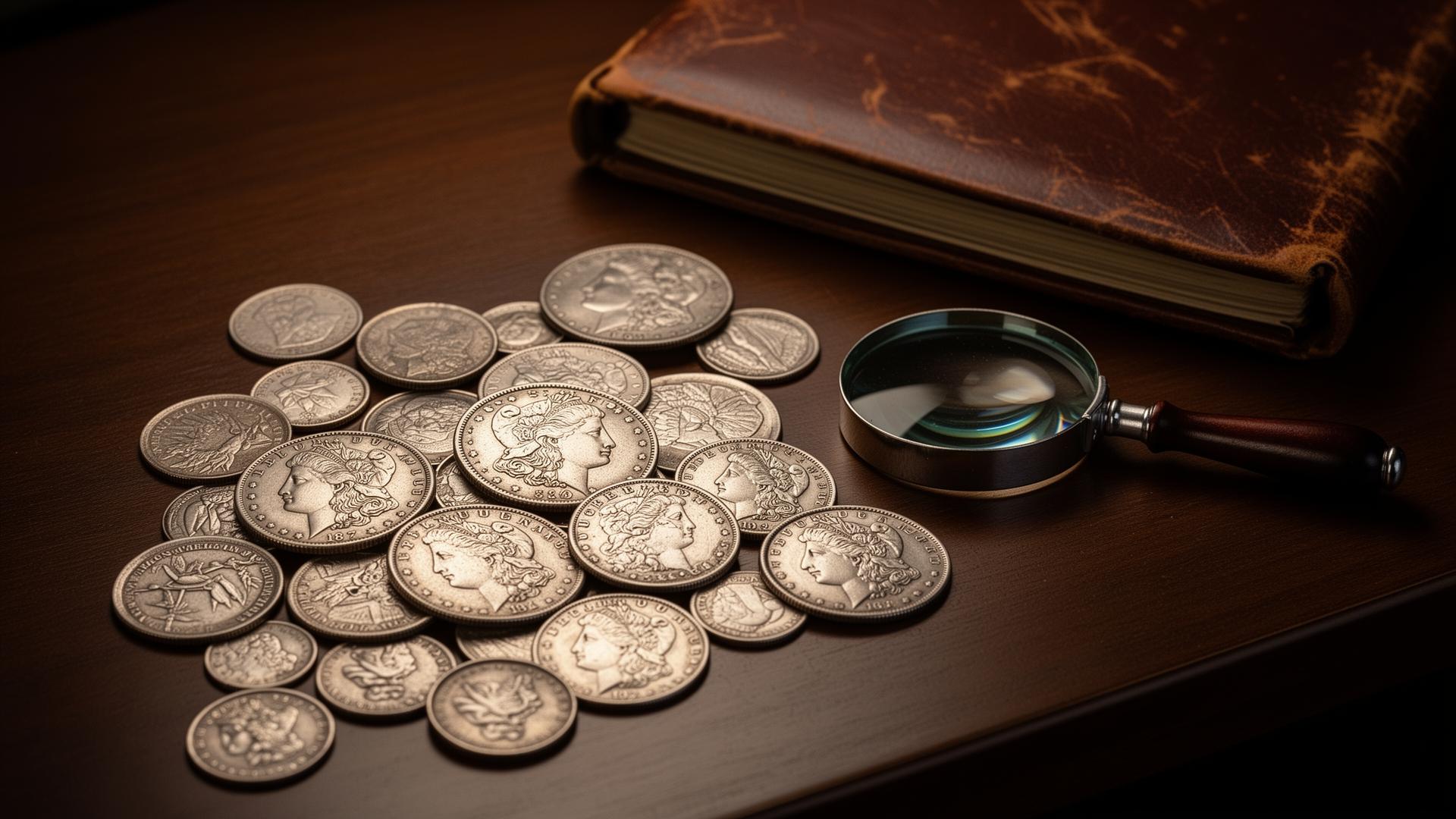
As online marketplaces and international auctions continue to connect collectors across borders, the global numismatic community has become more interconnected than ever before. American and European collectors now routinely participate in the same sales, compete for the same rarities, and exchange ideas through digital forums and research platforms. Yet despite this growing interaction, significant differences remain in how each group approaches the hobby.
Research tools such as the Best online coin and banknote catalog have made it easier for collectors to explore foreign markets and compare collecting trends across regions. What many discover is that the United States and Europe often operate according to very different numismatic philosophies. Attitudes toward grading, rarity, condition, provenance, and even investment potential can vary considerably depending on which side of the Atlantic a collector calls home.
These distinctions are rooted in centuries of different monetary histories, collecting traditions, and market structures. While American collectors often place a strong emphasis on standardized grading and registry-quality specimens, European collectors frequently prioritize historical context, provenance, and cultural significance. Understanding these differences provides valuable insight into how two of the world's largest numismatic markets evaluate value, rarity, and opportunity in remarkably different ways.
Grading Culture Is Far More Influential in the United States
Perhaps the most noticeable difference between the two markets is the role of grading. In the United States, third-party grading has become deeply embedded within the collecting ecosystem. Many collectors place enormous importance on numerical grades, often viewing a single-point difference as a significant factor affecting value.
The American market has developed around highly standardized grading systems that emphasize consistency and transparency. Auction listings frequently highlight certified grades as a primary selling point, and many buyers prefer professionally graded coins even when dealing with relatively common issues. This emphasis has created a marketplace where the condition of the coins can sometimes outweigh historical significance. Similar data-driven approaches to evaluating assets can also be seen in other fields where transparency and analytics guide decision-making, as discussed in this analysis of public participation and policy evaluation.
European collectors, while certainly concerned with condition, often take a broader view. Many focus more heavily on historical context, rarity, provenance, and overall eye appeal rather than numerical precision alone. As a result, raw coins remain more common in European collections than in their American counterparts.
Definitions of Rarity Often Differ Dramatically
The concept of rarity is another area where perspectives frequently diverge. American collectors often evaluate rarity through mintage figures, population reports, and certified census data. A coin with a low surviving population can command substantial attention regardless of its age.
In Europe, rarity is often viewed through a wider historical lens. Many collectors focus on coins that represent important historical periods, dynasties, empires, or political transitions. A coin's significance may derive not only from scarcity but also from its role within a broader historical narrative. This broader perspective reflects how enthusiasts often value the stories and experiences connected to an object or place.
This distinction reflects the differing numismatic landscapes of the two regions. Europe possesses centuries of diverse coinage spanning numerous kingdoms, republics, and empires. As a result, rarity is frequently intertwined with historical importance rather than purely statistical scarcity.
Historical Depth Shapes Collecting Priorities
The United States has a relatively short monetary history compared to Europe. American collectors often focus intensely on specific series, dates, mint marks, and varieties because the overall timeline is more concentrated.
European collectors, by contrast, have access to an extraordinary range of historical material stretching back thousands of years. Ancient Greek, Roman, medieval, Renaissance, and modern coinage all compete for attention within the same marketplace. This diversity naturally encourages broader historical exploration.
Because of this difference, many European collections are built around historical periods or civilizations rather than individual series. American collections, meanwhile, often emphasize completeness within specific sets or denominations.
Investment Thinking Is More Prominent in the US Market
Although collectors everywhere enjoy the possibility of appreciation, investment-oriented thinking tends to play a larger role in the United States. Many buyers actively track market trends, auction results, grading populations, and future price potential.
This investment mindset is reinforced by the strong influence of grading services and market analytics. Collectors frequently evaluate acquisitions through both numismatic and financial lenses, viewing rare coins as alternative assets alongside traditional investments.
European collectors certainly recognize value appreciation, but many place greater emphasis on historical significance and personal interest. While investment considerations are present, they are often balanced by a stronger focus on scholarship and cultural heritage.
Auction Behavior Reflects Different Priorities
Auction environments reveal some of the most interesting contrasts between the two markets. American bidders often compete aggressively for condition rarities, key dates, and registry-quality examples. The pursuit of the finest known specimen can generate intense bidding activity.
European auctions frequently showcase a wider variety of historical material. Collectors may pursue coins based on provenance, historical significance, or connection to a particular era rather than simply condition rankings. As a result, bidding patterns can appear less predictable to outsiders.
International auctions increasingly bring these perspectives together. Coins that appeal simultaneously to historical specialists and condition-focused buyers often achieve particularly strong results because they attract interest from both sides of the Atlantic.
Banknote Collecting Shows Similar Regional Differences
The divide is not limited to coins. Banknote collectors in the United States and Europe also exhibit distinct preferences. American collectors often focus on series continuity, condition, and recognizable national issues.
European banknote collecting tends to be more internationally oriented. The continent's complex monetary history has produced a remarkable variety of currencies, creating opportunities to collect across numerous countries and historical periods.
This diversity encourages thematic collecting centered on political history, artistic design, economic development, or geopolitical change. As a result, European collections often span multiple nations, while American collections are more likely to focus deeply on domestic issues.
Digital Platforms Are Narrowing the Gap
Despite these differences, the divide between US and EU collectors is becoming less pronounced. Online marketplaces, international auctions, social media communities, and digital research tools have dramatically increased exposure to foreign collecting traditions.
American collectors are becoming more interested in world coinage, medieval issues, and European historical material. At the same time, European collectors are increasingly participating in grading-based markets and paying closer attention to certified populations and condition rarity.
This exchange of ideas has created a more interconnected global community. Collectors who once operated primarily within regional frameworks now have access to expertise, inventory, and educational resources from around the world.
The Future May Be a Hybrid Market
As collecting becomes increasingly global, the future is likely to blend elements from both traditions. American emphasis on transparency, grading consistency, and market efficiency offers important benefits. European appreciation for historical context, provenance, and cultural significance provides equally valuable perspectives.
The most successful collectors increasingly combine these approaches. They evaluate the coin conditions carefully while also considering historical importance. They recognize market trends without losing sight of scholarship and personal enjoyment.
This hybrid model reflects the evolving nature of modern numismatics. Rather than choosing between American and European collecting philosophies, many enthusiasts are discovering that the greatest opportunities emerge when both perspectives are combined.
Conclusion
Although US and EU collectors share a passion for numismatics, their approaches to grading, rarity, history, and market behavior often differ in surprising ways. These distinctions have developed through unique historical experiences, collecting traditions, and market structures that continue to shape buying decisions today.
Yet the gap is narrowing. Digital platforms, international auctions, and global collector communities are creating greater understanding between the two regions. As ideas continue to flow across borders, collectors are increasingly adopting the strengths of both traditions.
In the end, these differences enrich the hobby rather than divide it. Whether focused on condition, history, rarity, or investment potential, collectors on both sides of the Atlantic contribute valuable perspectives that make numismatics a truly global pursuit.