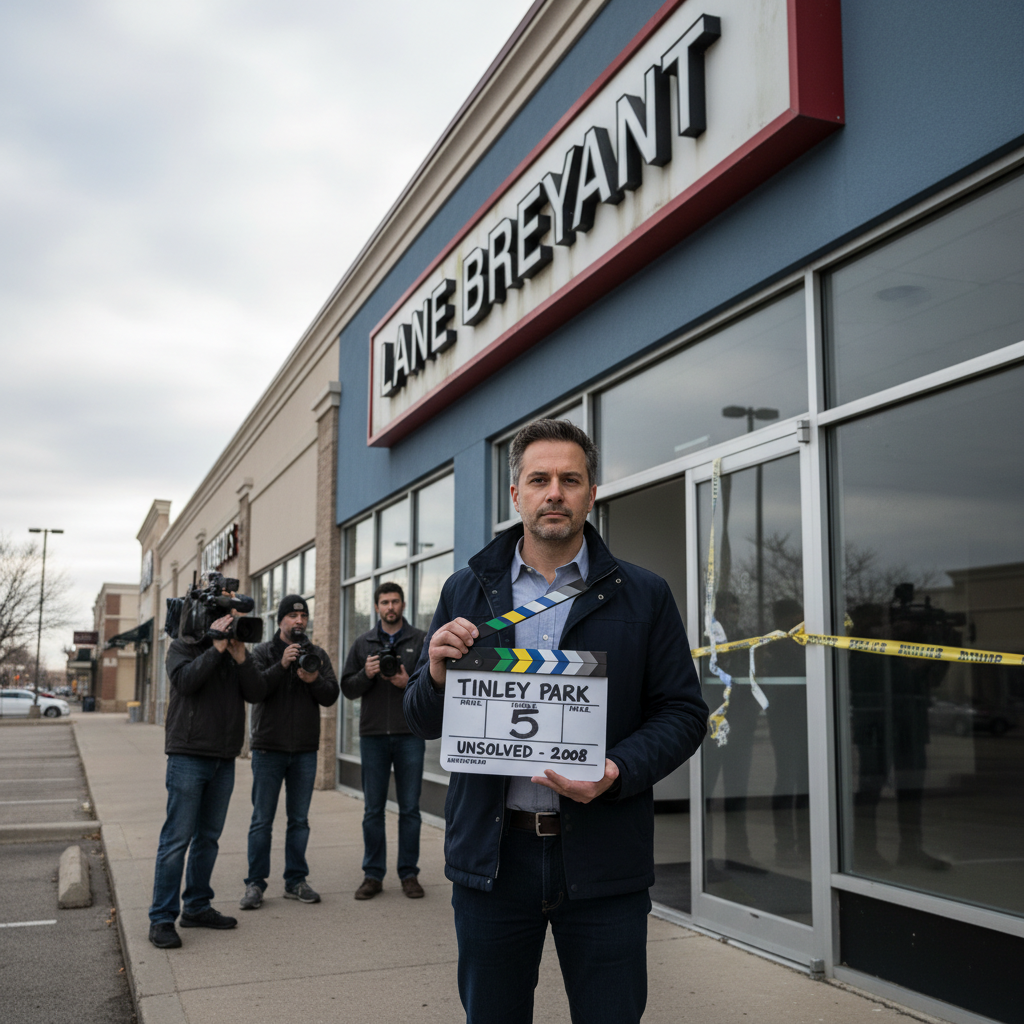

Access to public court records has long been a cornerstone of a transparent justice system. For Tinley Park residents, understanding court proceedings and outcomes, from local traffic citations to complex civil cases, often meant navigating physical archives and intricate legal databases. However, advancements in digital technology are rapidly changing this landscape, making court information more accessible than ever before.
Global Strides in Legal Transparency
Beyond local initiatives, international examples demonstrate the power of digital platforms in opening up judicial processes. In Australia, platforms like CourtTrace offer a comprehensive online resource for searching public court records, judgments, and case histories across federal and state jurisdictions. This mirrors efforts in other countries to centralize and democratize legal information. Similar initiatives can be found in North America, with resources like CourtListener offering free legal research, and CanLII providing access to Canadian legal documents. These tools highlight a global trend towards digital transparency in the legal sphere.
For journalists reporting on local issues in Tinley Park, these digital tools are invaluable. They streamline the process of tracking cases, researching legal precedents, and verifying facts, ultimately leading to more informed and accurate reporting. Similarly, legal researchers and pro bono legal aid organizations can leverage these platforms to assist residents who may not have ready access to legal counsel, fostering a more equitable legal environment.
The ongoing shift towards digital access to public records not only benefits legal professionals but also empowers curious citizens to engage more directly with their judicial system. While local courts continue to evolve their digital offerings, the broader availability of online legal research tools ensures that the principles of open justice are upheld and strengthened, fostering greater accountability and public understanding of the legal process.