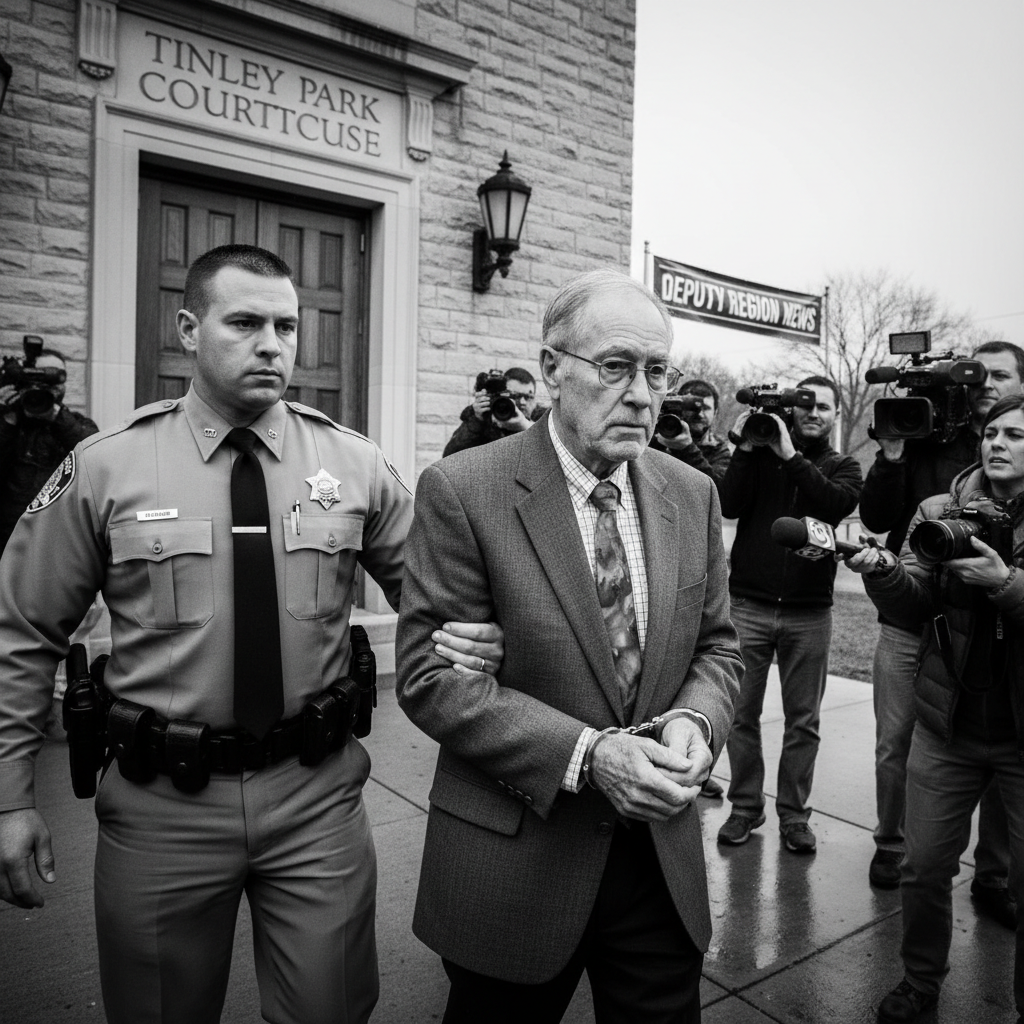
A 71-year-old Frankfort man pleaded guilty Friday to misdemeanor phone harassment charges after being accused of leaving numerous threatening voicemails for Governor JB Pritzker’s office on March 3. The guilty plea concludes a case that initially included more severe felony charges.
Timothy Shemitis was sentenced to 24 months of court supervision and ordered to pay $525 in fees and fines. As a condition of his sentence, he must also complete an anger management program. According to Will County court records, a conviction will not be formally entered on his record if he successfully completes the terms of his supervision without further incident.
The case stemmed from an Illinois State Police investigation into the threatening calls. Shemitis was taken into custody and remained in the Will County jail from his arrest until his sentencing and release on March 20. His attorney, Andrea Neumann with the Hirsch Law Group, could not be reached for comment on the case Tuesday.
Plea deal avoids felony conviction
As part of the plea agreement, prosecutors dismissed more serious felony charges of threatening a public official. This charge carries significantly higher penalties in Illinois, highlighting the legal maneuvering that often occurs in such sensitive cases. A conviction for threatening a public official, a Class 3 felony in Illinois, can result in a prison sentence of two to five years and substantial fines.
The decision to reduce the charges to a misdemeanor in exchange for a guilty plea is a common legal strategy. Prosecutors may pursue this path to guarantee a conviction and ensure the defendant faces consequences, such as court-mandated anger management, without the risks and costs of a full felony trial. Factors such as the defendant's age, lack of a prior criminal record, and the specific nature of the evidence likely played a role in the resolution.
This case, while resolved without a felony conviction, puts a spotlight on the legal framework designed to protect elected officials. The Illinois statute (720 ILCS 5/12-9) specifically criminalizes conveying a threat of violence, kidnapping, or death to a public official or their family, reflecting the serious nature with which law enforcement views such actions.
A growing trend of political threats
The incident in Will County is not an isolated one, but rather reflective of a troubling national trend. Across the United States, threats against public officials at all levels of government have seen a dramatic increase in recent years. This rise in menacing communication has created a difficult and often dangerous environment for elected leaders and public servants.
According to a report from the Brennan Center for Justice, a non-partisan law and policy institute, a significant percentage of local officials have reported experiencing threats, harassment, or violence. This climate of intimidation can deter qualified individuals from seeking public office and impede the ability of current officials to govern effectively. The escalation in threats has been linked to heightened political polarization and the widespread use of social media, which can amplify inflammatory rhetoric.
While some community events bring people together for shared enjoyment, such as the upcoming Halfway to Oktoberfest in Frankfort, this case serves as a stark reminder of the deep divisions that can also manifest in local communities. The contrast between civic celebrations and politically motivated threats underscores the complex social fabric of the region.
Community impact and legal implications
For residents of Frankfort and the greater Will County area, a case involving threats against the state's highest official can be unsettling. It brings a statewide political issue directly into the local community, which is more often focused on local governance, schools, and community events found on the Tinley Park event calendar. While some public displays, like a flash mob of brides in a major city, are designed for fun, threats of a political nature disrupt civic peace and strain law enforcement resources.
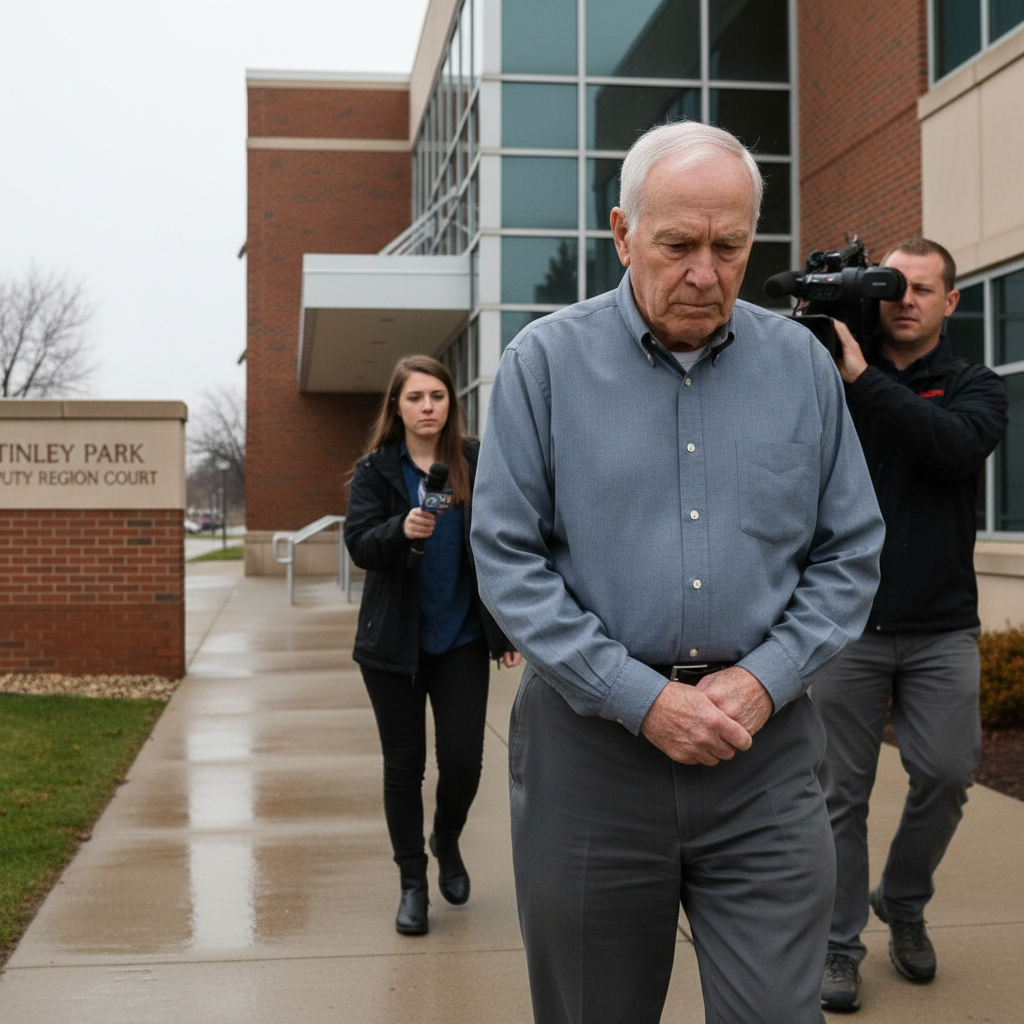
The resolution of Shemitis' case through court supervision places the responsibility on him to adhere to the court's mandates over the next two years. The requirement to attend an anger management program is a key component of the sentence, aimed at addressing the underlying behavior that led to the charges. Such programs are designed to help individuals understand and control their anger, develop coping mechanisms, and learn to express frustration in non-threatening ways.
Shemitis will remain under the purview of the Will County court system for the duration of his supervision. Any violation of the terms of his release could result in the original conviction being entered and potentially a harsher sentence. The successful completion of his 24-month supervision period will close the case, leaving him without a formal criminal conviction on his record.